Summary
As a Senior Product Manager, I led a strategic initiative to reverse critical inefficiency in the chatbot service of a global technology multinational. The core challenge was the very high 64% chat drop-off rate by users before problem resolution, resulting in an unsustainable overload for human agents and high operational costs.
My approach focused on a deep analysis of the chat flow creation and validation process, culminating in the proposal and implementation of an Artificial Intelligence (AI)-based solution. The initial result was a 36% improvement in chatbot performance, demonstrating the direct impact of data-driven and innovation-focused product management.
| Metric | Before Intervention | After Initial Tests | Impact |
|---|---|---|---|
| Drop-off Rate (Pre-Resolution) | 64% | ~54% | 29.4% Reduction |
| Human Agent Overload | High | Moderate | Time Optimization |
| Flow Validation | Intuitive / Manual | AI and Data-Driven | Higher Accuracy |
The Challenge
The chatbot support service, although designed to scale customer service, was acting as a bottleneck. The high drop-off rate (64%) indicated that users were frustrated with the bot's inability to resolve their issues, forcing them to seek a human agent.
The problem was not solely with the chatbot technology, but fundamentally with the product management process. The support and content team dedicated considerable effort to creating and expanding new chat flows, but prioritization was driven by intuition rather than historical failure data or user behavior. Additionally, new flows were validated directly in production, without a robust A/B testing mechanism, exposing users to suboptimal experiences.
Discovery & Research Process
To diagnose the root cause, I initiated a structured discovery process, mapping all phases, interactions, stakeholders, and actors involved in the chat journey and content management.
“The inefficiency was masked by a high volume of work. The team was busy creating, but they were not creating what truly mattered to the user.”
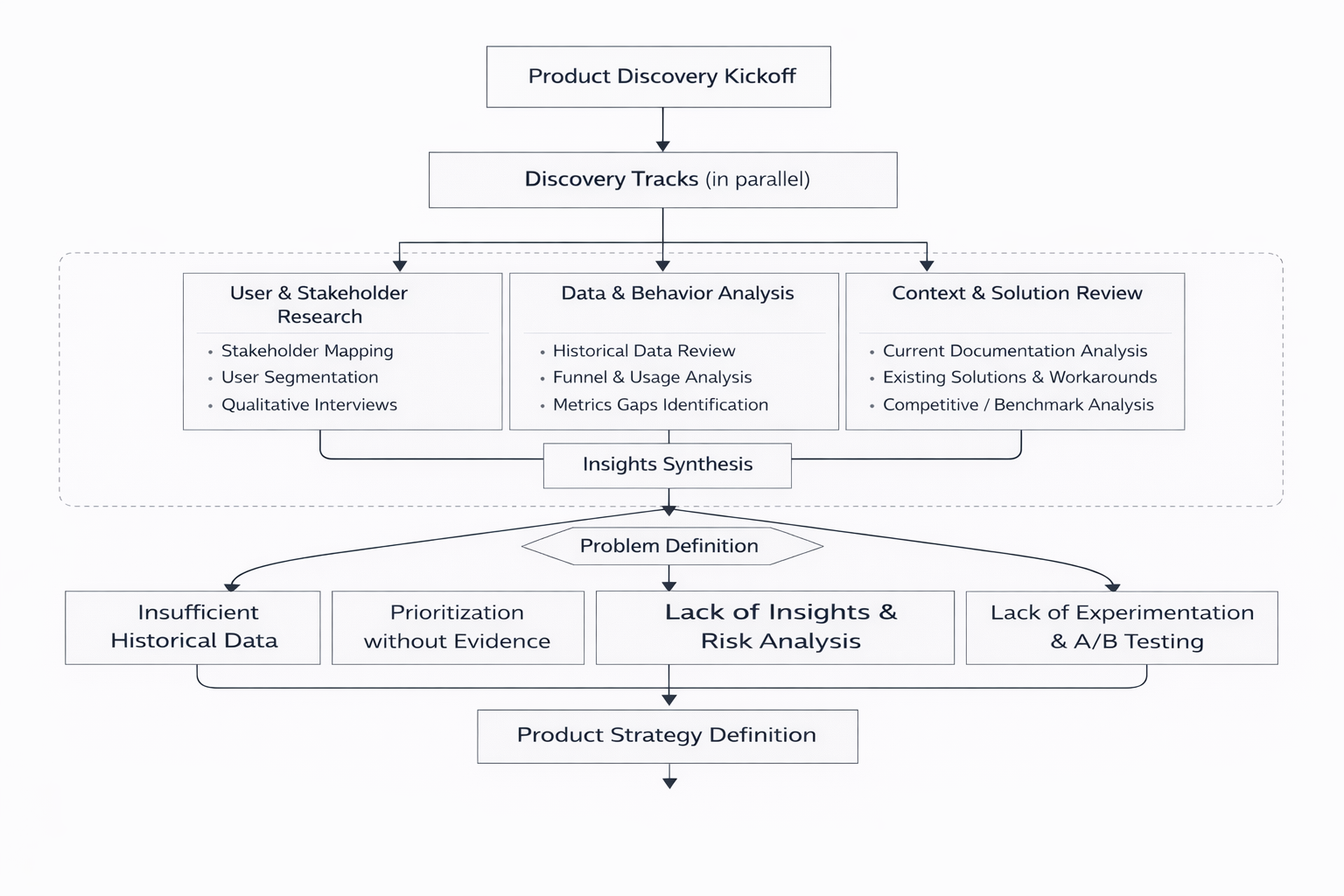
Figure 1 — Product discovery workflow exposing gaps in demand validation and safe testing environments.
Key Pain Points Identified:
- Lack of Demand Validation: New flows were not prioritized using historical drop-off or conversion data.
- In-Production Validation: Absence of a safe testing environment forced validation directly in customer-facing flows.
- User Disconnect: No mechanism existed to identify user profiles and adapt language or support depth accordingly.
The Solution
The solution introduced two Artificial Intelligence Models and a Management Interface to ensure continuous learning through a human feedback loop.
1. Flow Review and Optimization Model (Flow Optimization AI)
This model was trained on historical chat data, focusing on:
- Gap Identification: Detecting where users dropped off and correlating failures with missing or weak support flows.
- Improvement Suggestions: Recommending new or improved flows based on predicted conversion probability and reduction of human handoffs.
2. User Profiling Model (User Profiling AI)
This model analyzes the user’s first interaction to infer their profile (technical, non-technical, frustrated).
- Dynamic Redirection: The chatbot adapts language, question depth, and flow complexity in real time to maximize resolution.
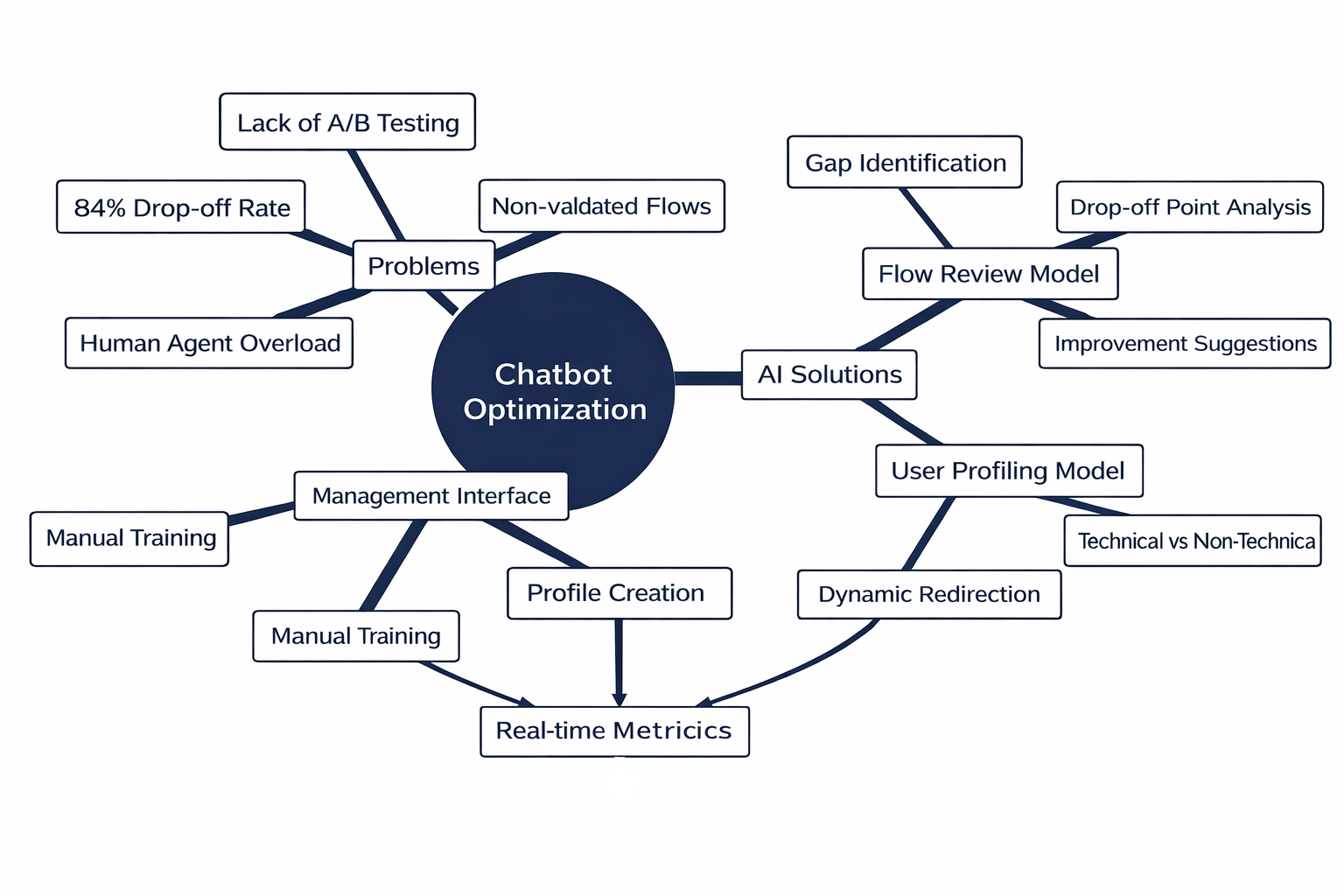
Figure 2 — Mind map connecting identified chatbot failures to AI-driven optimization strategies.
Implementation and Iteration
To ensure adoption and continuous training of the AI models, we built a dedicated Human-in-the-Loop (HITL) Web Interface for supervisors.
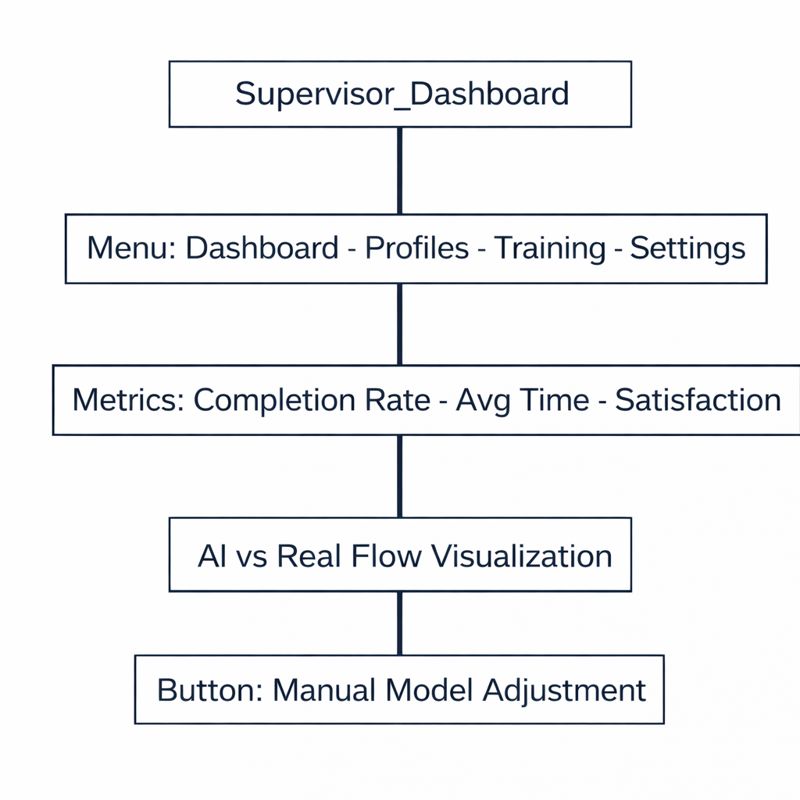
Figure 3 — Low-fidelity wireframe of the Human-in-the-Loop supervision interface.
Key Interface Features:
- Metrics Monitoring: Real-time tracking of completion rate, average chat time, and satisfaction.
- Profile Creation: Creation of reusable user profiles linked to specific support flows.
- Manual Training: Supervisors correct AI misclassifications, feeding the model with high-quality labeled data.
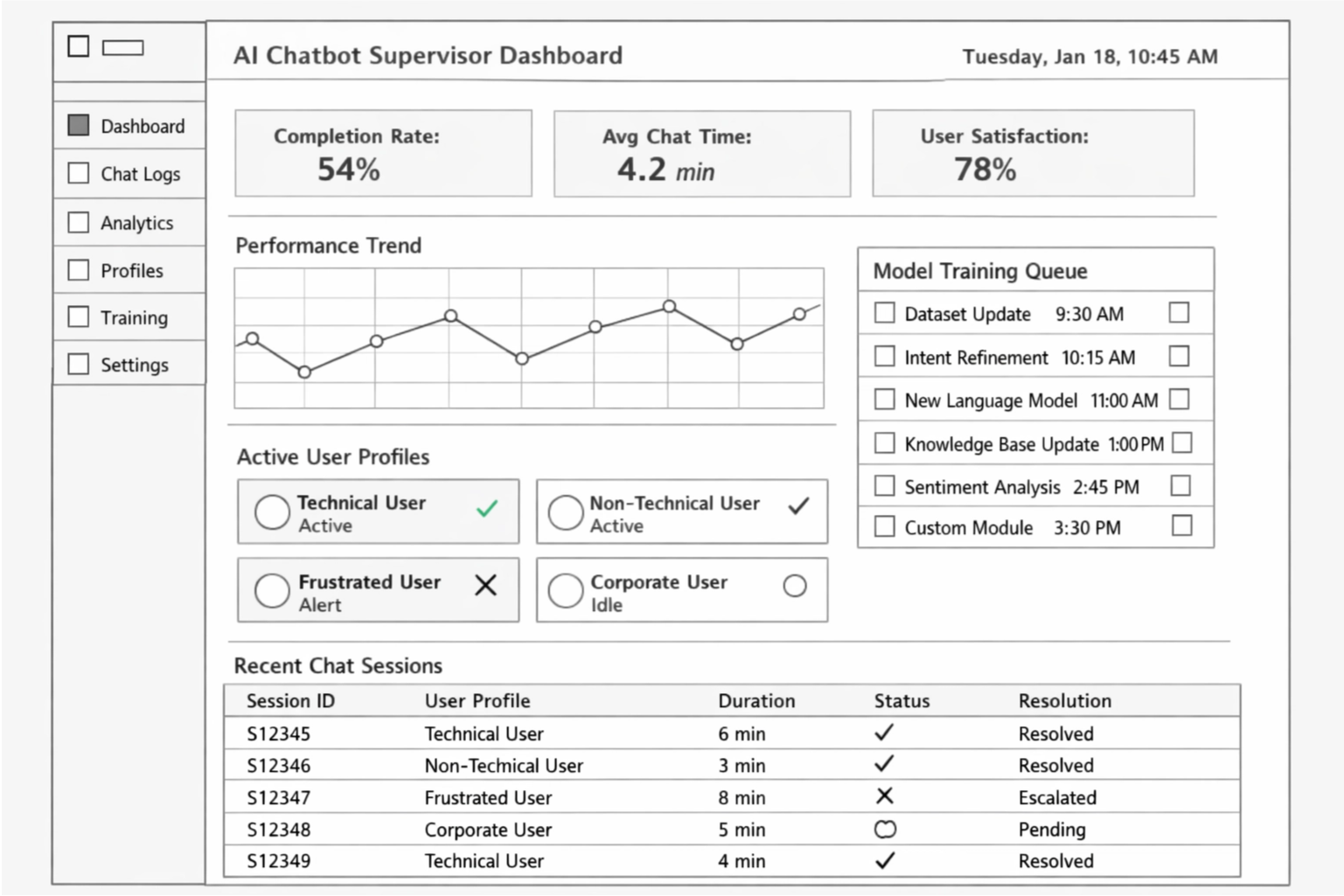
Figure 4 — Supervisor dashboard enabling manual AI training and real-time performance monitoring.
Results and Next Steps
Initial tests, focused on the highest-volume and highest-drop-off flows, resulted in a 34.58% improvement in chatbot completion rate. This reduced human agent overload and significantly improved customer experience.
The next roadmap milestone is CRM integration, enabling ingestion of support history, device data, and user context. This enriched dataset will allow more precise user profiling and flow recommendations, with the long-term goal of reducing drop-off rates below 10%.
This project demonstrates Senior Product Management applied to complex systems: combining discovery rigor, AI-driven solutions, and human-centered design to generate measurable business impact.